
LNG import facility: Government to consider the economic case, but what about the climate one?
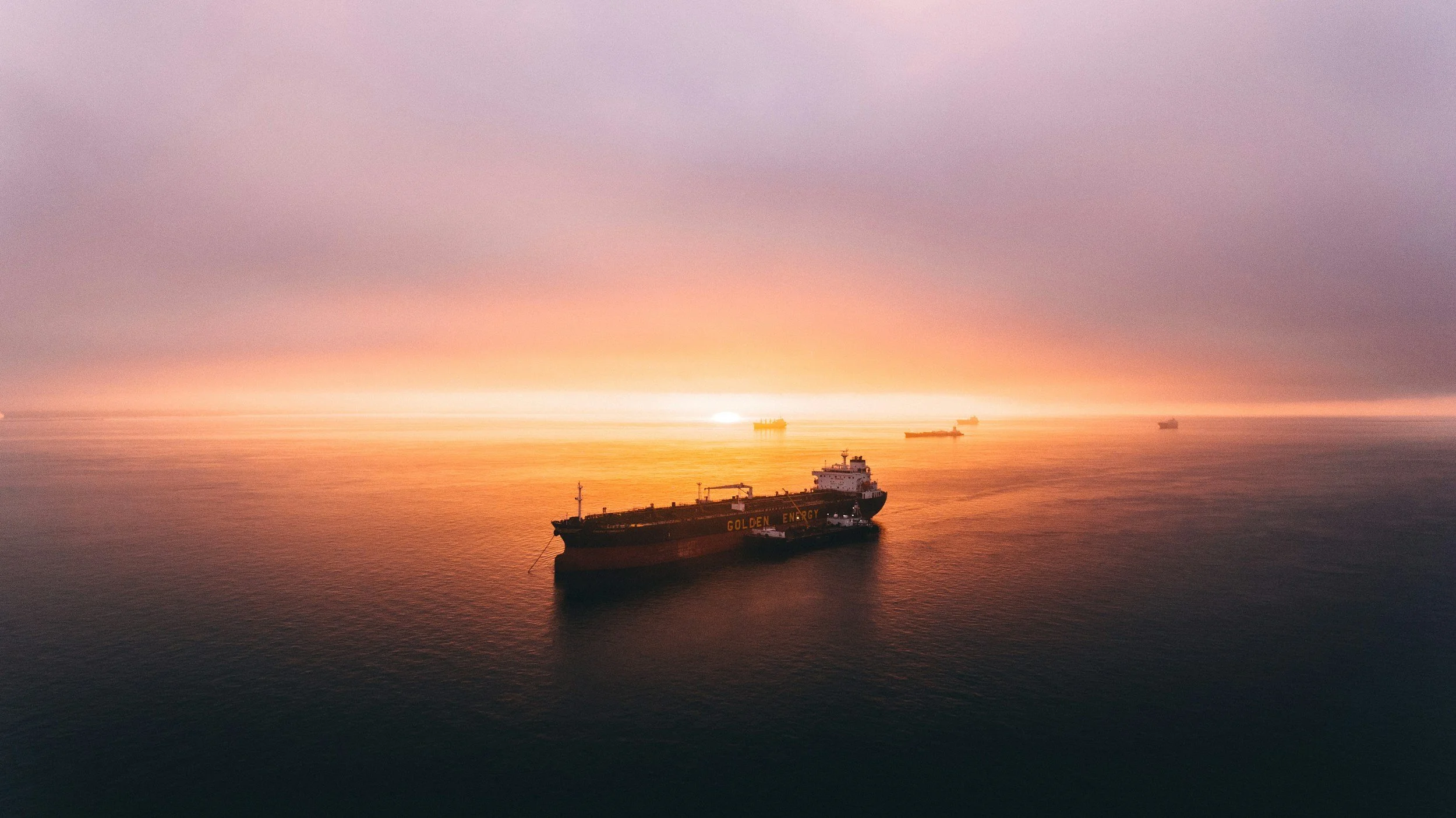
Casting doubt on the future of the LNG import facility, Prime Minister Luxon has stated that the LNG import facility will only proceed if the economic case stacks up, but that must be done within a comprehensive assessment of alternatives.
The continuing war in the Middle East has reminded us all how exposed we are to global fossil fuel markets. With our fuel prices soaring, and the increasing frequency of supply chain disruptions, it seems the last thing we should be doing is considering exposing ourselves even further to such crises.
However, Lawyers for Climate Action continues to be concerned that the LNG import facility would do just that. The recent strikes on Qatar’s LNG production facilities have reinforced how volatile the international market for LNG is. Qatar, which produces about a fifth of the world’s LNG supply, has shut production since early March and has said that it could take up to five years to repair the damage to the site, creating a surge in LNG prices that is increasingly looking like it will be extended. This is not an isolated incident - LNG prices also surged in 2022 in response to Russia’s invasion of Ukraine.
With all of this risk, it's even harder to understand why the Government would continue to proceed with the procurement of the LNG import facility without first considering cheaper, renewable, home-grown alternatives.
For example, we could rapidly expand rooftop solar on homes, farms and businesses – the cheapest form of delivered energy available. Access to finance to overcome upfront costs and incentives for household solar would drastically cut Kiwis’ power bills – saving the average home about $1000 a year. Investing in more battery capacity would allow that power to be stored and fed back into the grid when demand is highest. Done well, this could make communities more resilient too – helping to keep power flowing during storms or other disruptions that might knock out centralised infrastructure.
These alternatives also offer the possibility of much-needed emissions reductions that could help us to meet our domestic emissions budgets and our obligations under the Paris Agreement. New Zealand is 82 million tonnes short of meeting its 2030 commitment under the Paris Agreement, and we are projected to miss our 2035 domestic target, as well - which the Minister of Climate Change has a legal duty to meet under the Climate Change Response Act.
Developing an energy policy that would help us reduce emissions and meet our legal obligations seems like a win-win, yet when the Government decided to move ahead with the LNG import facility, these options were barely considered.
Along with our partners, Lawyers for Climate Action has been seeking the information the Government relied upon in making the decision to proceed with the LNG import facility for weeks. Despite promises in early February to provide the modelling it relied on “pretty shortly,” that modelling has still not been provided, even after urgent requests for its release. We have now made a complaint with the Ombudsman, focusing particularly on the Government’s failure to release the Concept Consulting report.
Prime Minister Luxon makes an obvious point when he says that the economic case for LNG needs to stack up, but it’s hard to be confident in that case when it has not been properly compared against the alternatives, and when there has been no independent analysis of the underlying modelling. The Government should certainly consider the economic case for LNG, but it should also undertake a comprehensive, system-wide assessment of all alternatives so it can clearly demonstrate to New Zealanders that LNG is the best solution, economically and for the climate.
Written by Laura MacKay, Senior Lawyer, Energy Transition, Lawyers for Climate Action