
“The seas are still rising, but so are we”: Climate Litigation Conference Recap
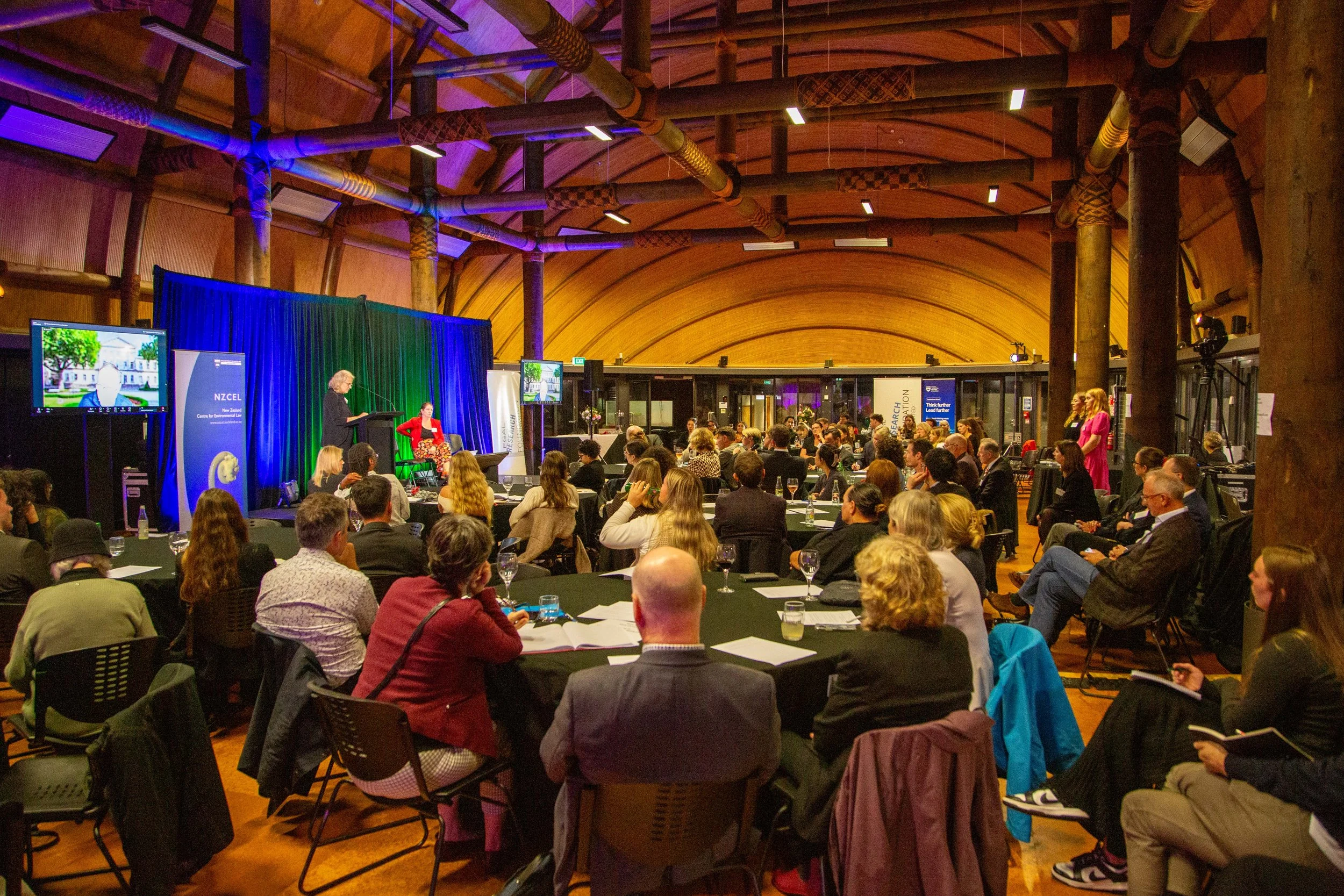
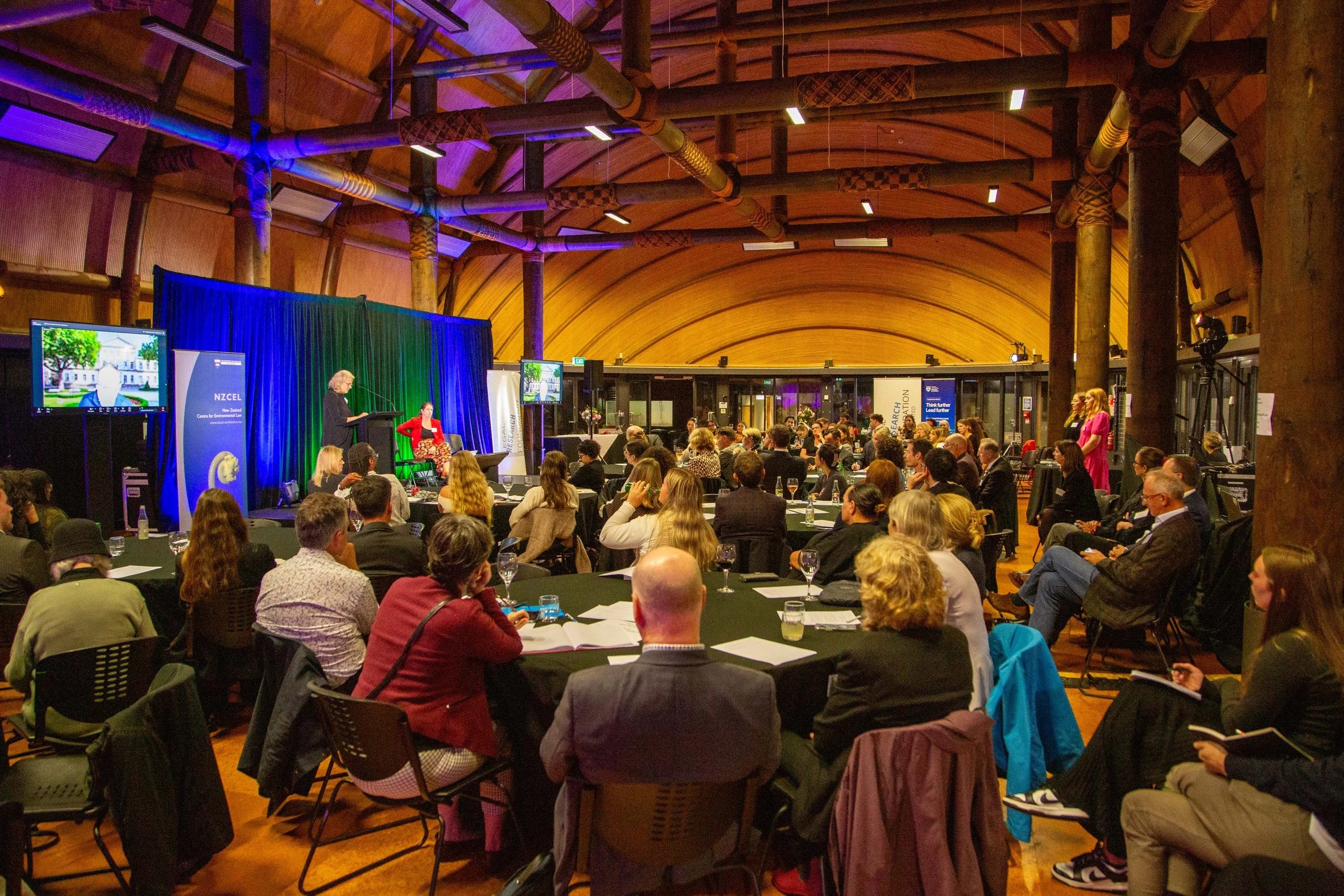
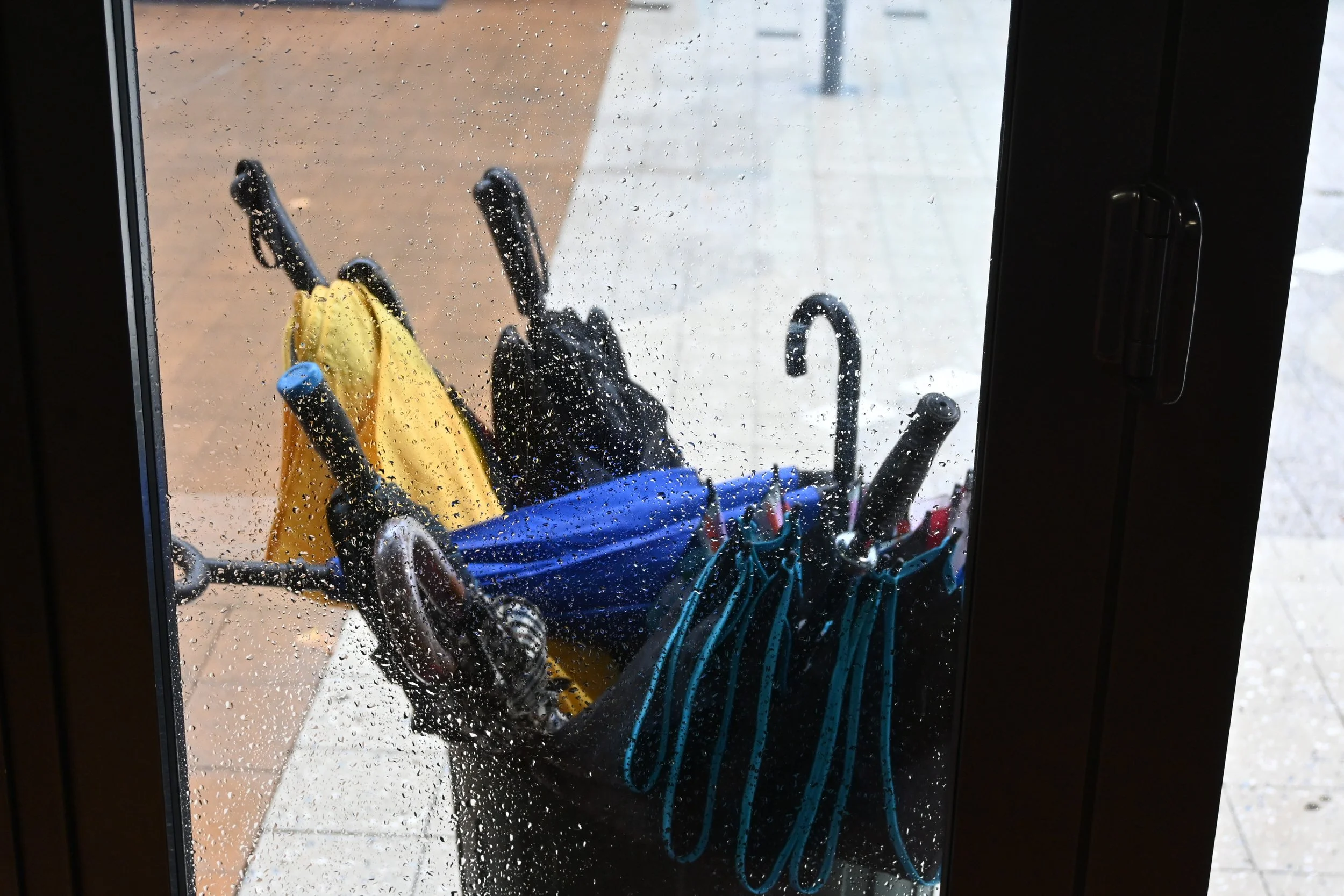
Under an ominous 33-hour Red Warning for heavy rain, on 26 and 27 March, Lawyers for Climate Action, the NZ Centre for Environmental Law, and Legal Research Foundation hosted the 2026 New Zealand Climate Litigation Conference: Climate in the Courtroom.
The irony of the weather was not lost on attendees and speakers. Chief Justice Rt Hon Dame Winkelmann, who chaired the evening Judicial Panel on 26 March, remarked on the “synchronicity” of the weather warning - particularly as the first climate litigation conference was held in the aftermath of the 2023 Tāmaki Makaurau floods.
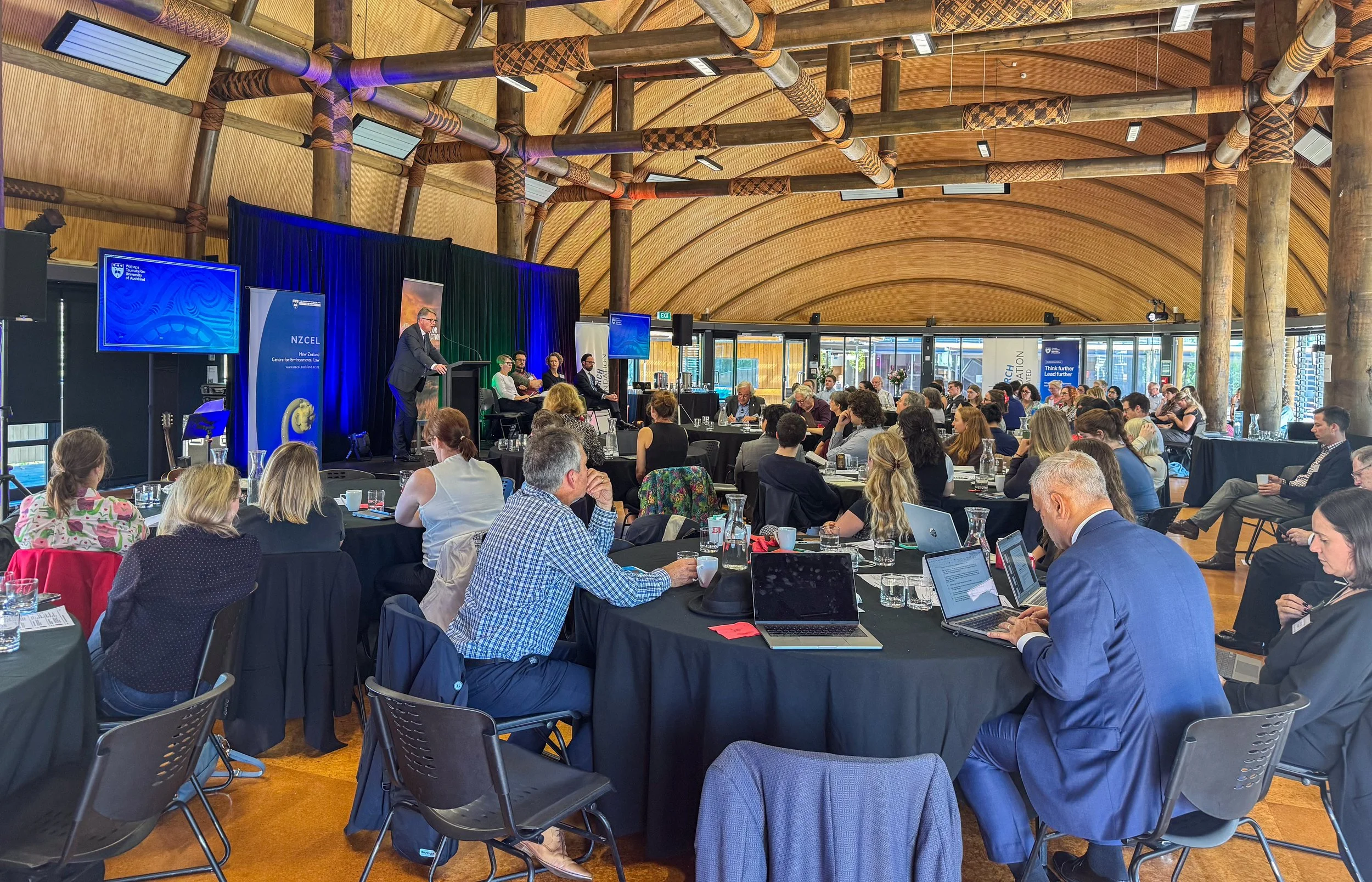
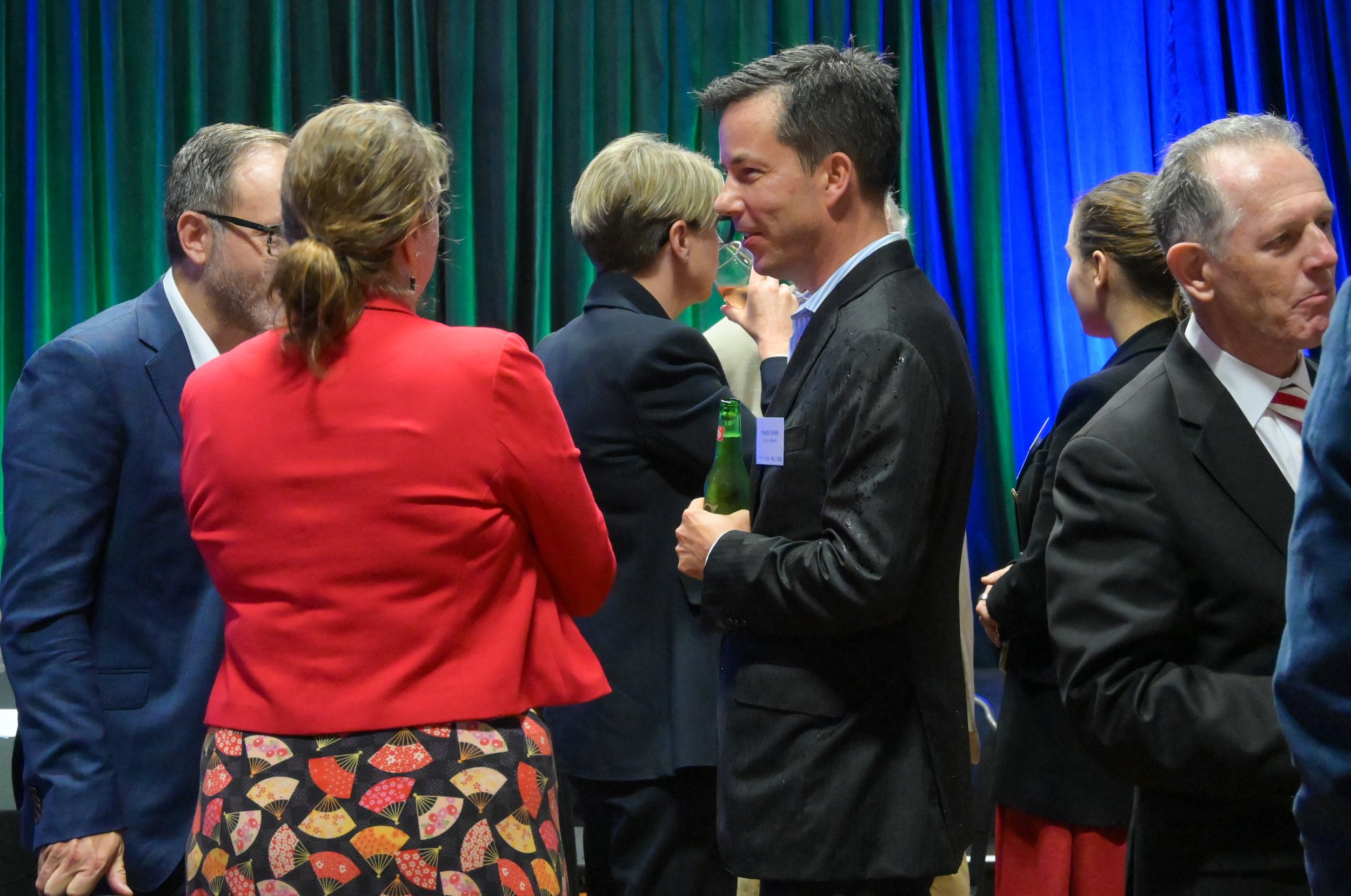
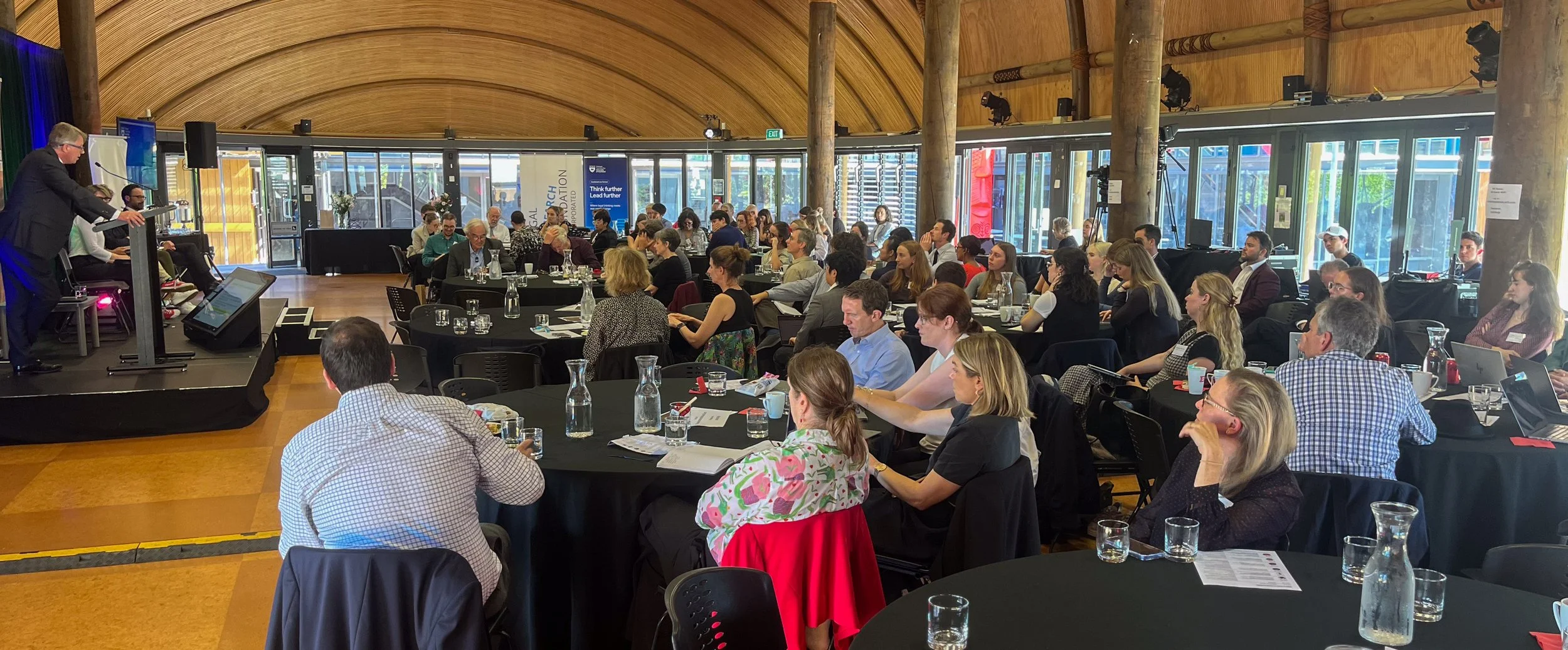
The conference brought together over 140 judges, academics, practitioners, and students to discuss the most important and interesting issues in climate litigation today. It is a significant strength of Aotearoa New Zealand’s legal community that such a diverse range of lawyers (including opposing parties), judges, academics, and students, can come together to engage in constructive discussion and debate on the key legal issues and themes in climate litigation.
This blog summarises some of the key takeaways from the conference.
Climate litigation needs to be grounded in lived reality
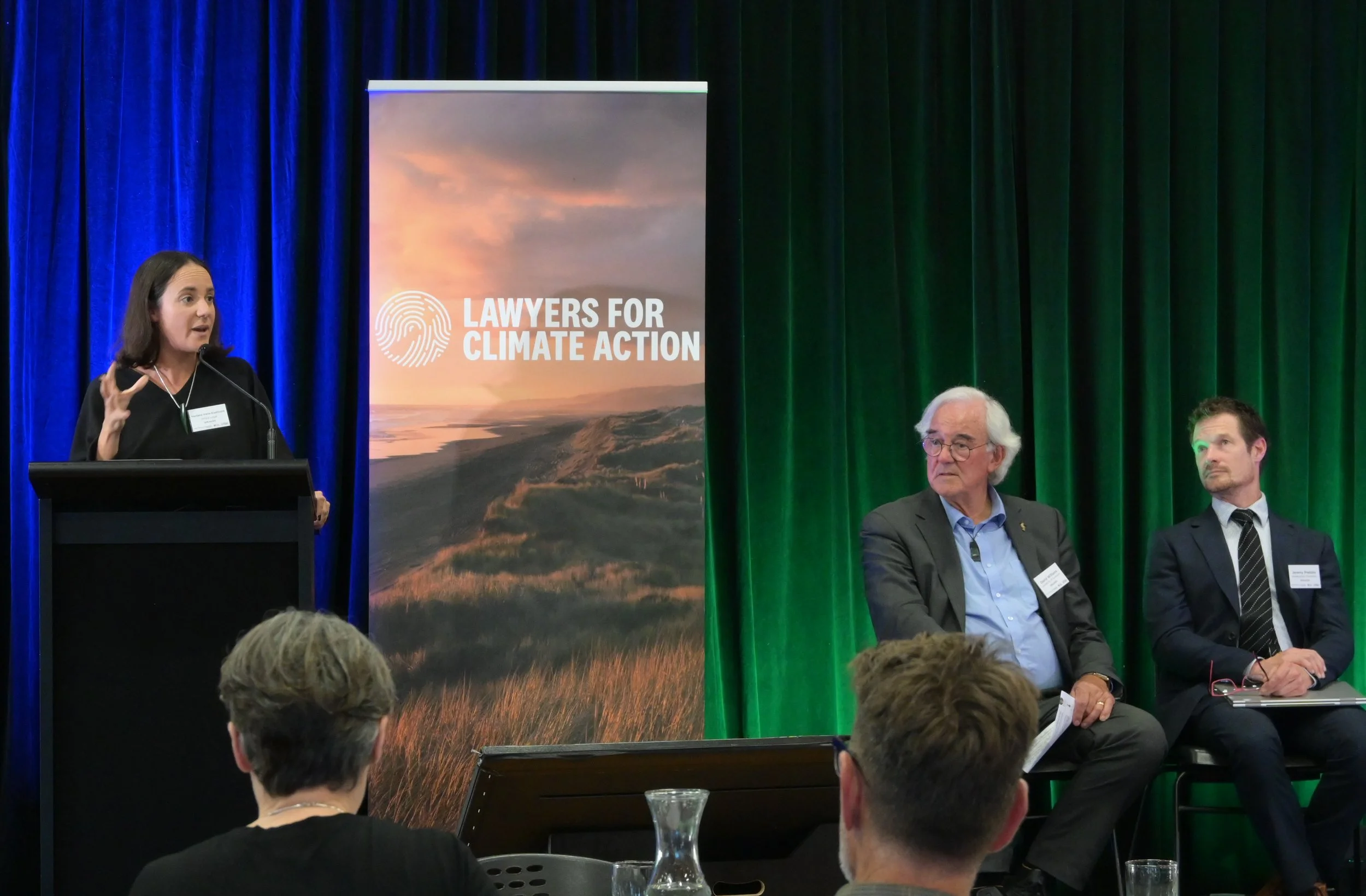
Horiana Irwin-Easthope, speaking on the panel about Te Tiriti o Waitangi, Tikanga and Climate Change, provided a pertinent reminder that climate litigation cannot be clinical. It is inextricably linked to the lived reality and trauma of climate change, already being experienced across Aotearoa. Horiana challenged the room:
“The lived reality and trauma is palpable… What are our responsibilities as lawyers to ensure we’re not re-traumatising victims of climate-related harms through these processes?”
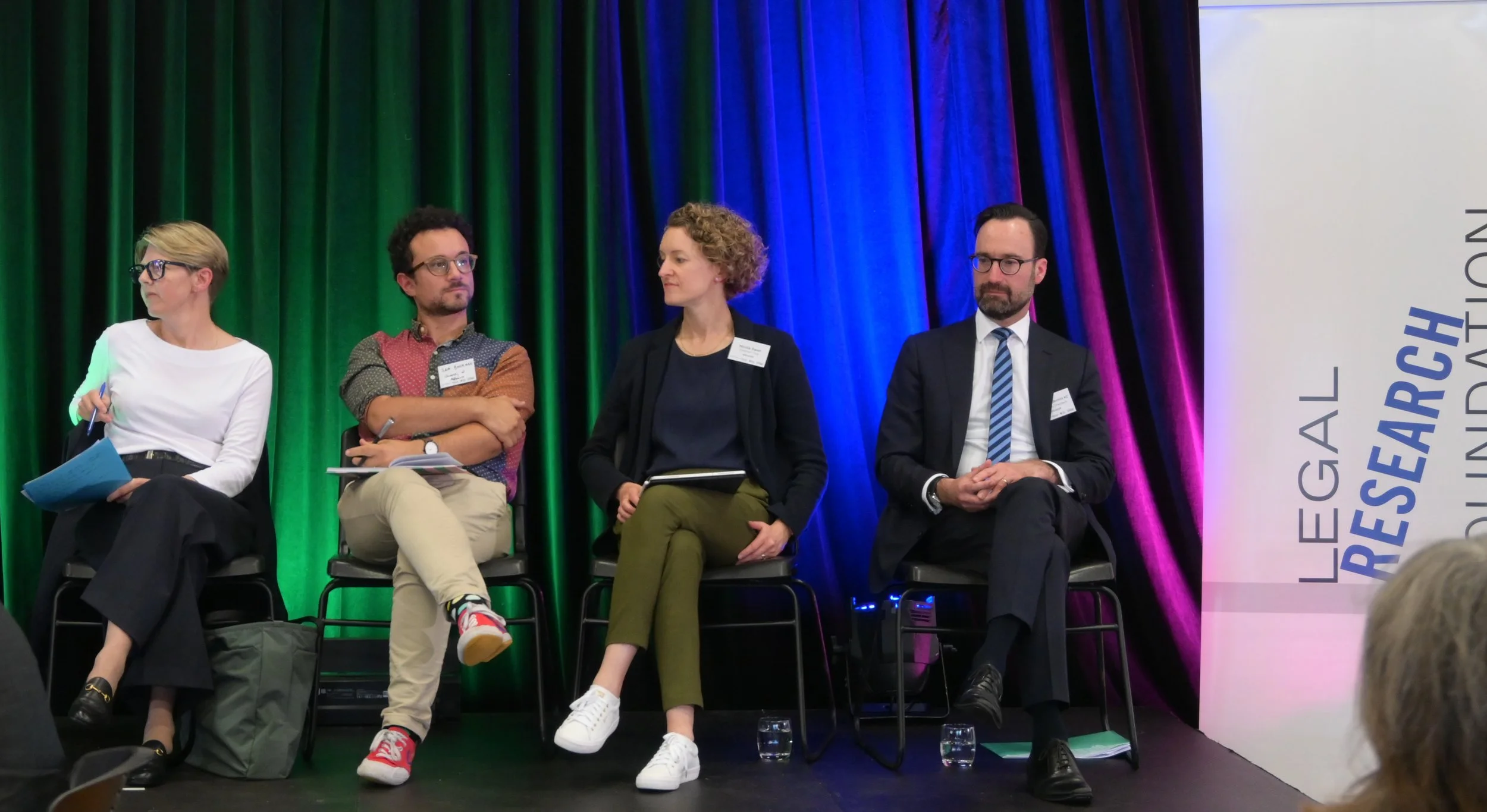
Pictured: Horiana Irwin-Easthope (Whāia Legal), Professor David Williams (University of Auckland and Member of the Waitangi Tribunal Climate Change Priority Inquiry), Jeremy Prebble (Barrister, Hawkestone Chambers).
Global developments in climate litigation - and comparative takeaways for New Zealand
The conference began with a focus on international law, starting with a judicial panel on “Adjudicating Climate Litigation Around the World”, followed the next day by an opening address by Vishal Prasad (Director, Pacific Island Students Fighting Climate Change), a panel discussion on “The Global Picture: Trends in Climate Litigation Around the World”, and then a panel discussion specifically on the “ICJ Advisory Opinion on Climate Change and its implications for Aotearoa New Zealand”.
At the evening judicial panel event, chaired by Rt Hon Dame Helen Winkelmann, President Stilgoe OAM (President of the Land Court of Queensland) provided a Trans-Tasman perspective, discussing how the Land Court of Queensland has been approaching human rights considerations within their role of predominantly dealing with applications relating to extractive industries, such as coal mining consenting.
President Stilgoe discussed how there has been a common approach from both government decision-makers and applicants of “ticking off” human rights considerations in their consent applications, with statements such as “there are no impacts on human rights”. She suggested that the Land Court is increasingly pushing for further information and submissions on human rights issues, requiring parties to go further.
Lawyers for Climate Action Executive Director, Jessica Palairet, set the tone for the first panel on Friday, “The Global Picture”, explaining that one of the most interesting aspects of climate litigation is the dialogue that occurs between courts around the world. Professor Jacqueline Peel and Catherine Higham provided a snapshot of the global trends in climate litigation - from the significant wave of decisions from top international courts clarifying the scope and nature of countries’ climate-related obligations, to discussing the slow trickle of justiciability decisions in corporate climate litigation.
In the second panel for the day, chaired by Justin Sobion, Professor Christina Voigt, Robert Kirkness, and Professor Caroline Foster dug into the International Court of Justice’s Advisory Opinion and how that may impact domestic law in Aotearoa New Zealand. Robert Kirkness posed the question: Is the distinction between international law and domestic law in Aotearoa New Zealand as distinct as it has traditionally been considered in our dualist legal system, or is there an increasingly blurred relationship developing? That is a question likely to remain central in the years ahead.
Climate Science in the Courtroom
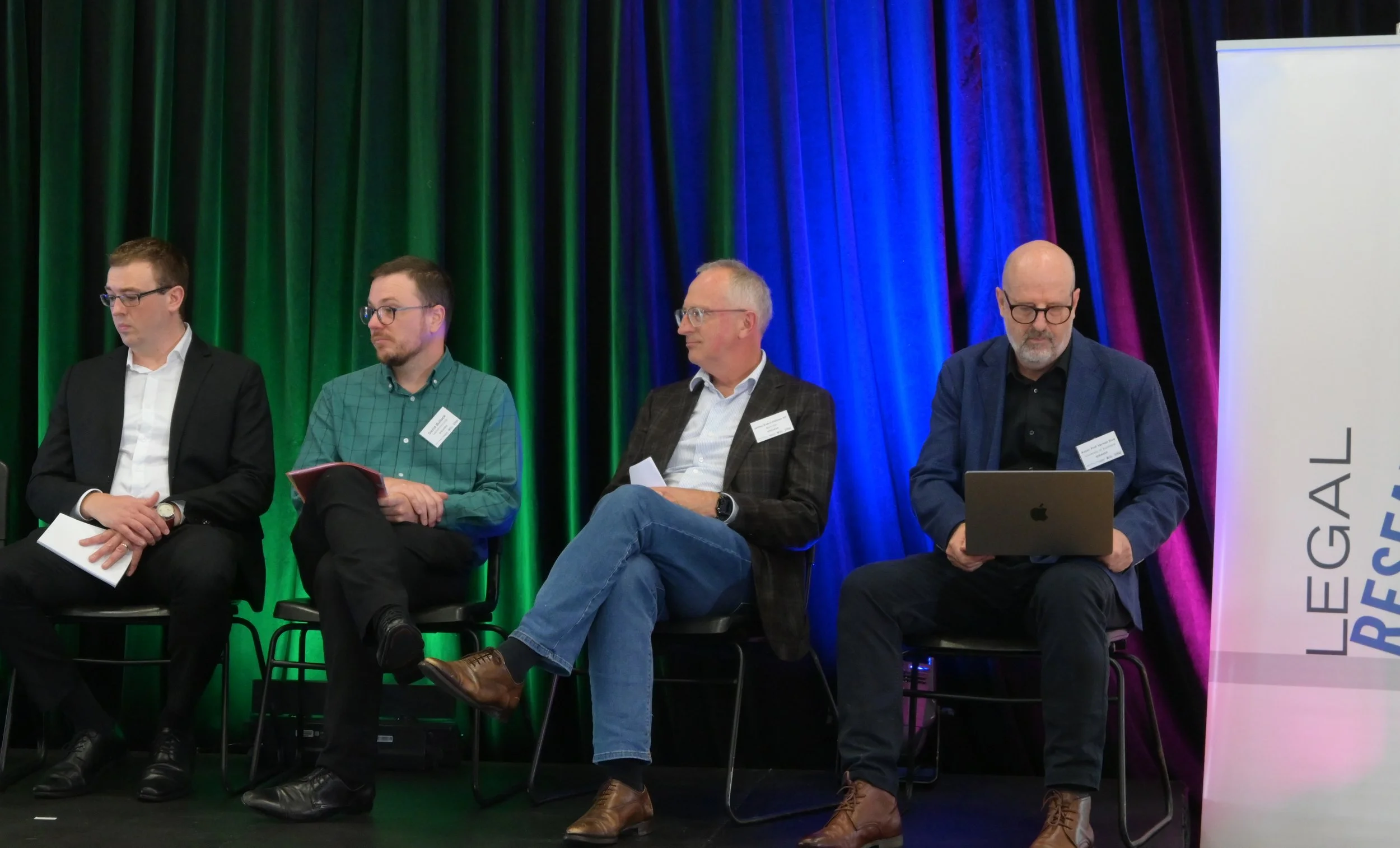
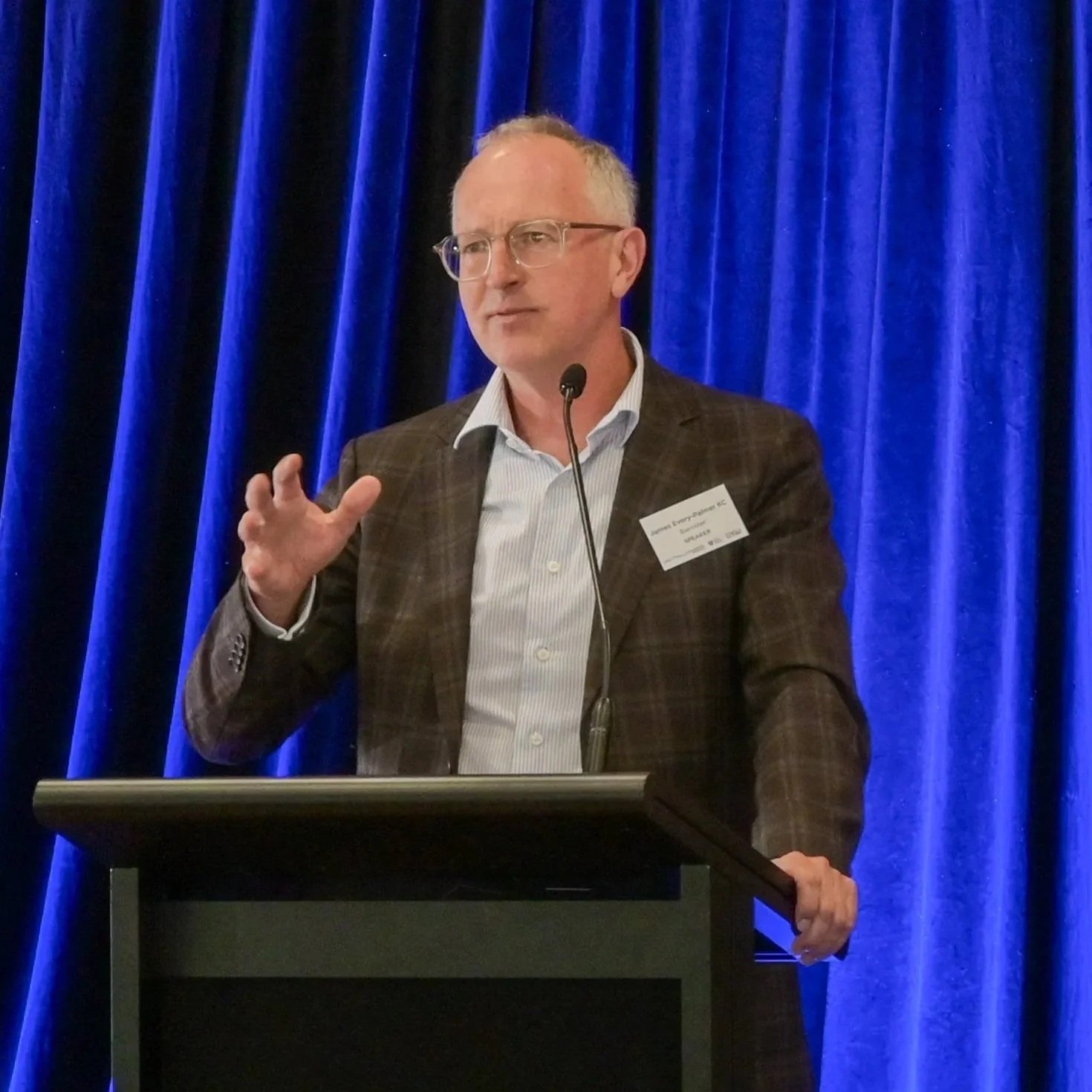
The next session was a panel discussion on “Climate Science in the Courtroom,” chaired by Professor Vernon Rive. The panellists highlighted the rapid evolution in judicial understanding of climate science. As Dr James Every-Palmer KC noted, only four years earlier, counsel would spend significant time at a hearing and in submissions explaining fundamental climate concepts to the courts. Today, the institutional knowledge of climate change science and many underlying principles are accepted and well understood, both within the judiciary but also the wider legal community.
Dr David Bullock then focused his contribution on how corporate defendants’ response to climate change science has evolved, as climate science denialism has faded as a defence in climate litigation. Drawing on a recent paper by Dr Noah Walker-Crawford entitled “Save the Climate but don’t blame us”, David took the conference through three interrelated strategies that are now used by corporate defendants in climate litigation globally:
A counternarrative - Blaming society: Companies accept the science but argue they are merely fulfilling public demand. By framing themselves as essential service providers, they shift the burden of responsibility from the producer to society at large, reinterpreting the evidence to shift blame from individual companies to society as a whole.
Focusing on the uncertainty or quality of the science: Second is emphasising uncertainties and questioning scientific robustness. Particular focus is on attribution science, and arguing that the link between specific corporate emissions and specific weather events are too uncertain to establish legal causality.
Attacking the credibility of the scientists themselves: In a shift which threatens access to justice and the willingness of scientists to provide expert evidence, defendants are increasingly attacking the scientific experts themselves, particularly their impartiality. Dr Bullock gave the example of Lliuya v RWE, where the defendant’s lawyers targeted one of the plaintiff’s scientific experts on the basis of past public commentary and professional associations that, on any fair view, had little bearing on scientific integrity:
Having tweeted years earlier that climate litigation cases were “interesting”;
Having presented at a conference which ClientEarth lawyers had attended; and
Presented as part of the same seminar series as one of the plaintiff’s lawyers - on a different day, and on a different topic.
Afternoon sessions: Climate Litigation in New Zealand is Maturing
The afternoon was focused on climate litigation in New Zealand, specifically, with panel discussions on “Public Law Climate Litigation”, “Private Law Climate Litigation”, and “Te Tiriti o Waitangi, Tikanga, and Climate Change”.
Climate litigation in New Zealand is no longer nascent. There have now been around 58 climate litigation cases filed in New Zealand to date, and the afternoon gave attendees the opportunity to delve into some of the most challenging issues - from whether New Zealand’s constitutional arrangements adequately protect against climate harms and Executive excesses, to the role of tort law in regulating the conduct of high-emitting companies, and the interrelationship and progressive understanding of how Tikanga can and has shaped climate law.
One particularly valuable contribution came from Sally Gepp KC, who traced the evolution of climate change and greenhouse gas emissions as a relevant consideration in New Zealand caselaw. She considered two recent Supreme Court decisions: Climate Clinic v Minister for Energy Resources, where the Supreme Court held that climate change is a mandatory relevant consideration; and Sustainable Ōtākiri (known as the water bottling decision) where the Supreme Court held that indirect effects from disposing water bottles on the environment and climate can be considered under the Resource Management Act (RMA). The key question is whether, and to what extent, climate change effects are becoming a mandatory relevant consideration in a range of decisions - and what might happen when the RMA is replaced later this year.
Looking forward
The 2026 Climate Litigation Conference provided an opportunity to reflect on both the substantial challenges ahead, but also the progress that has been made in climate litigation in Aotearoa New Zealand. Climate litigation touches so many different areas of law, and presents some of the most important and challenging legal questions of our time.
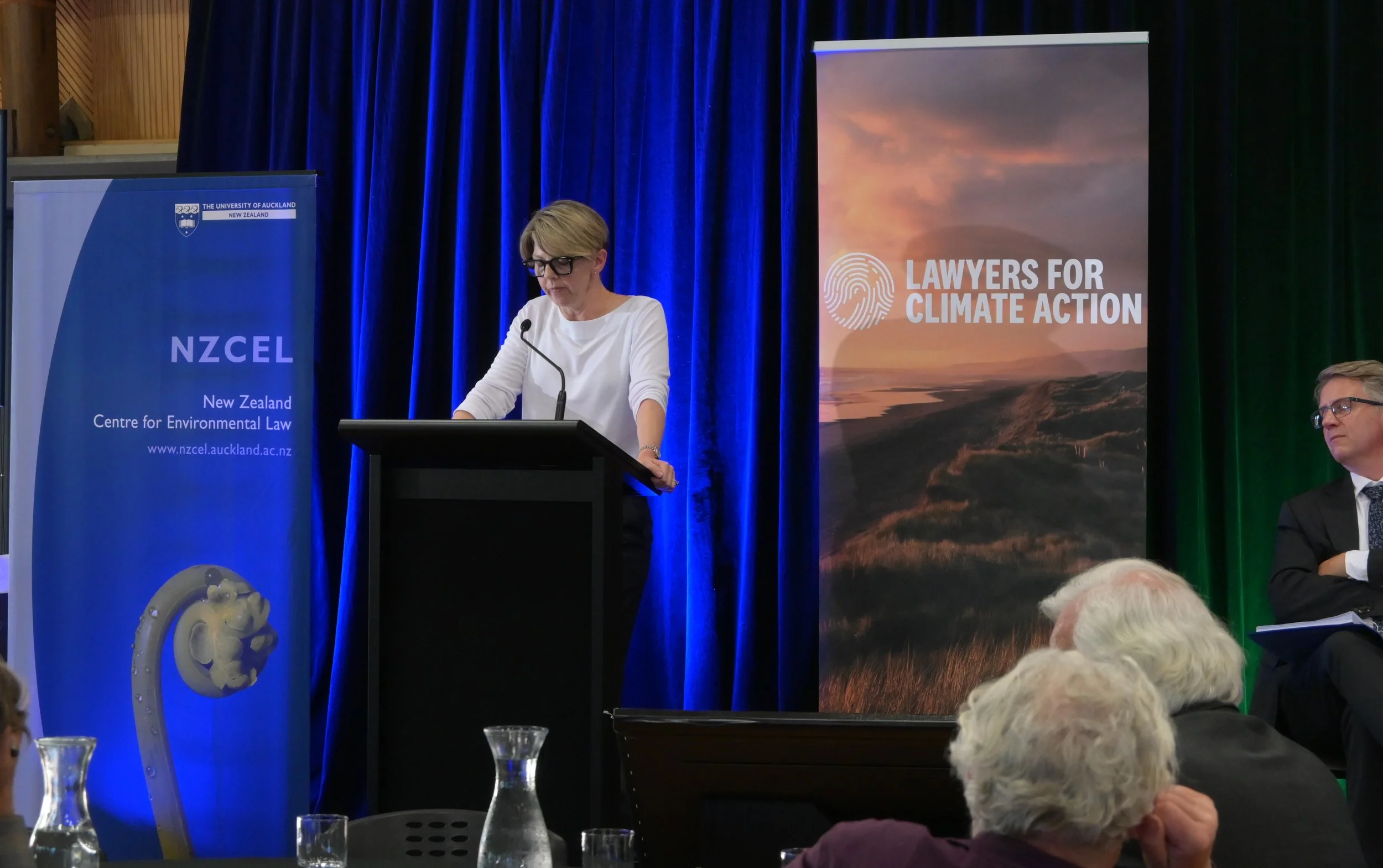
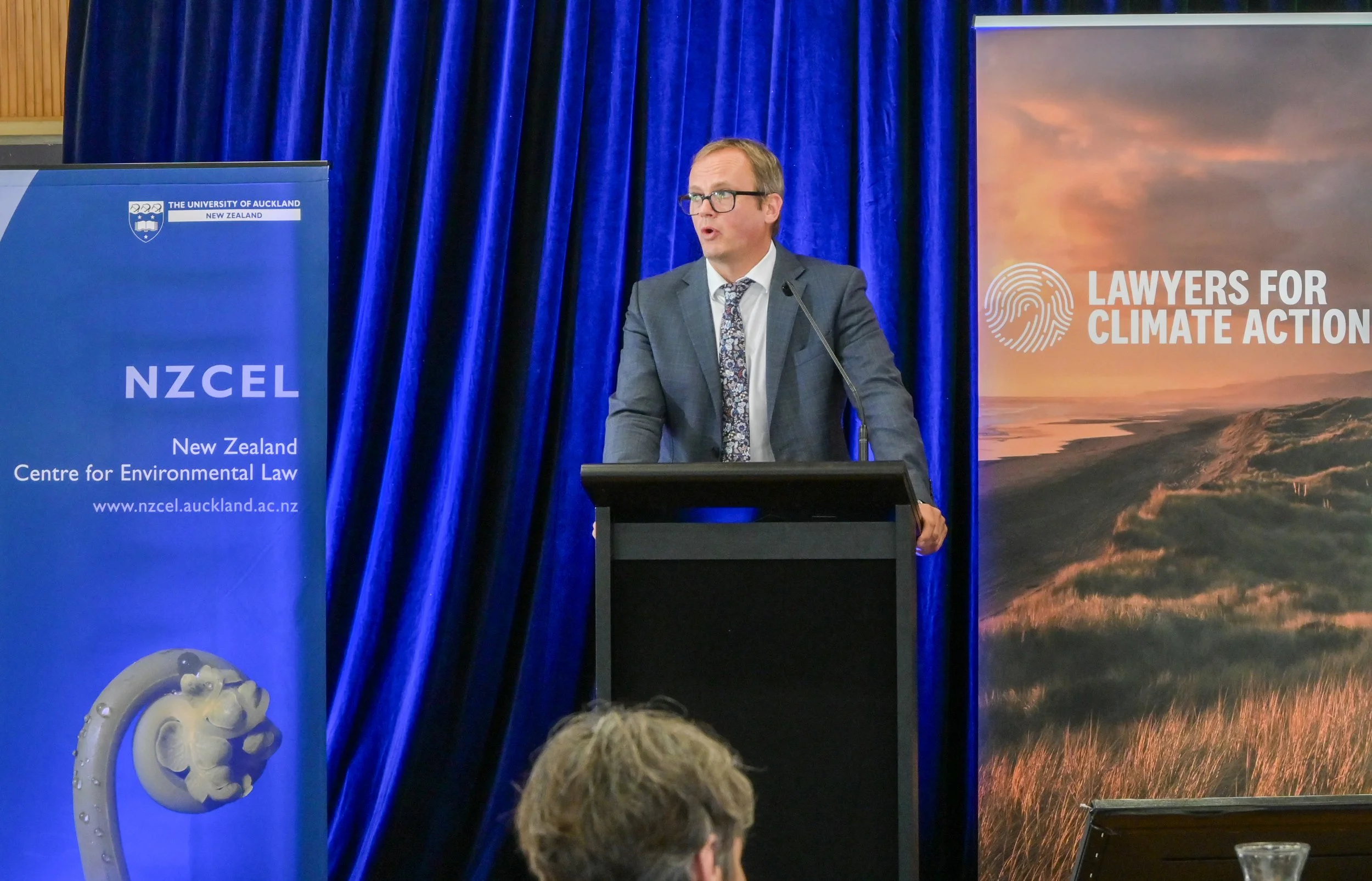
Thank you to Jessica Palairet (Executive Director), Professor Vernon Rive (University of Auckland | Centre for Environmental Law), and Simon Ladd KC (Legal Research Foundation) for organising the conference, and to all speakers and attendees, both in person and online. Thank you also to Cuncannon for funding three scholarships that enabled young lawyers to attend who otherwise may not have been able to do so.
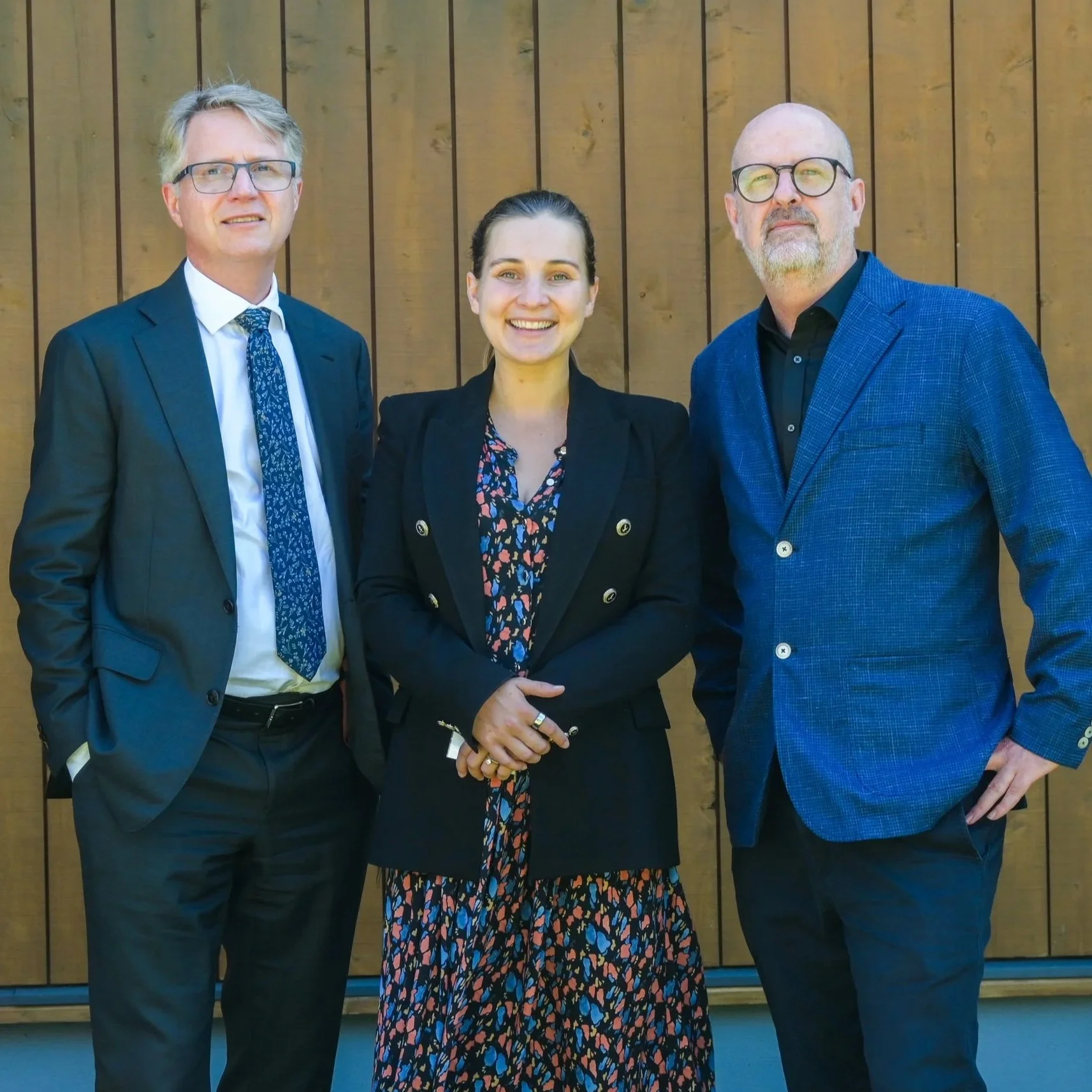
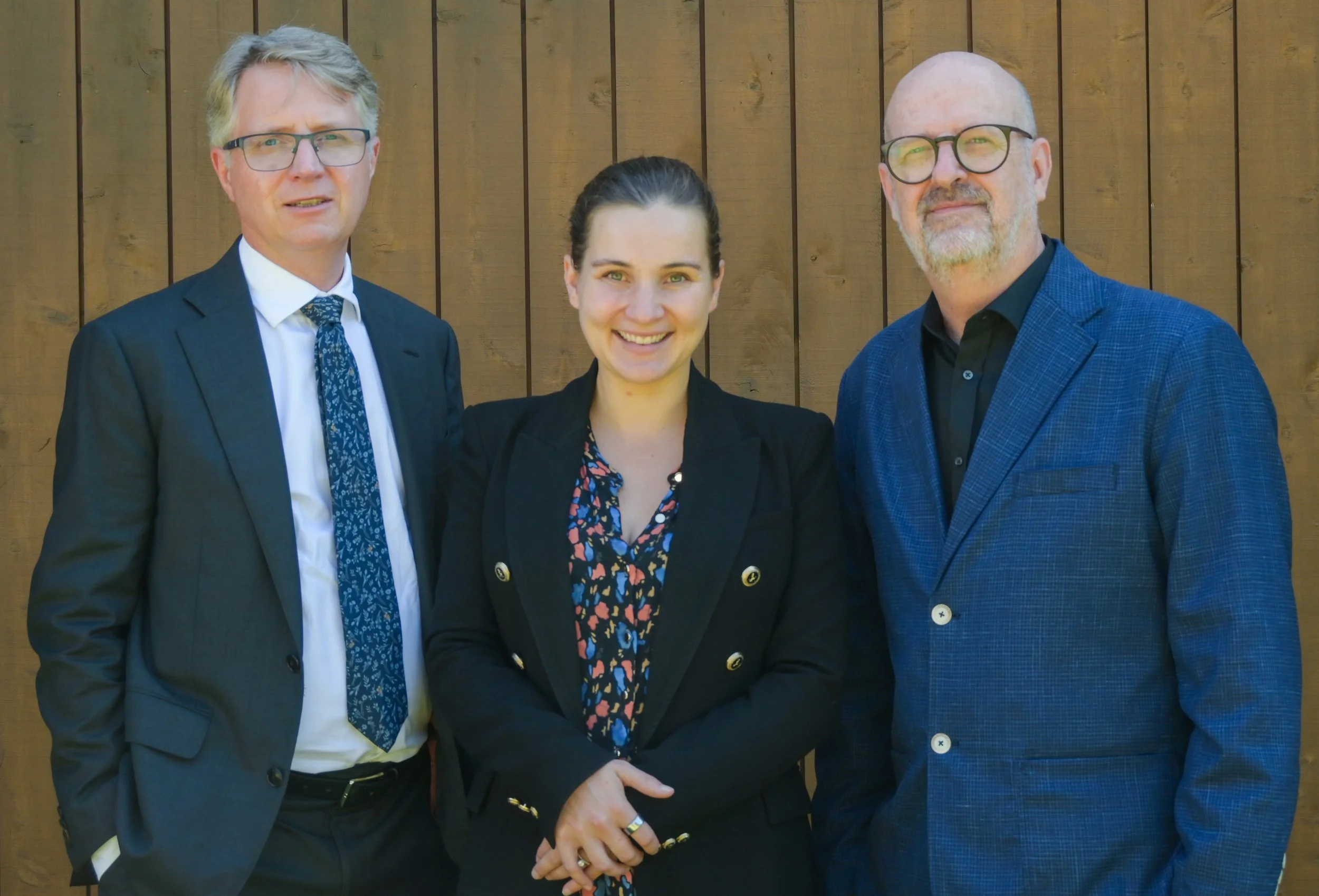
Pictured: Conference organisers - Simon Ladd KC (Legal Research Foundation), Jessica Palairet (Executive Director), Professor Vernon Rive (University of Auckland | Centre for Environmental Law).
Written by Molly McDouall, Solicitor, Lawyers for Climate Action